
Is Inflammation Behind Your Back Pain? Here’s How to Tell
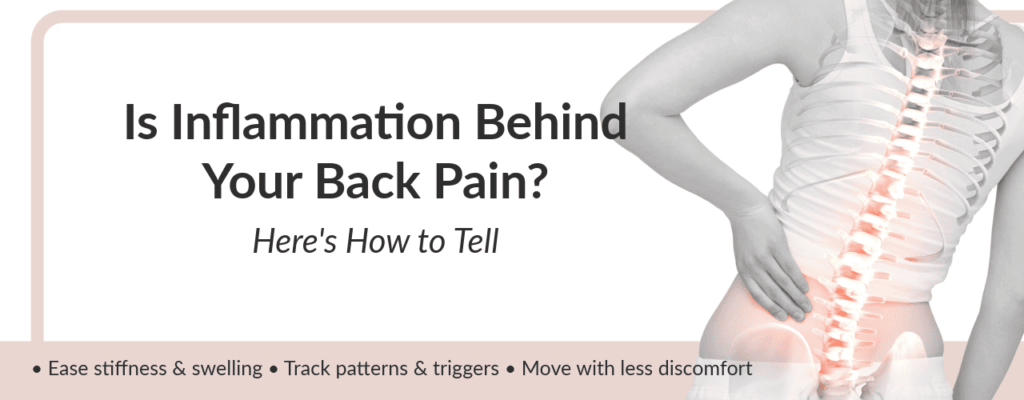
Back pain affects millions of adults yearly, but not all back pain comes from injury or muscle strain. In many cases, inflammation plays a major role. Understanding whether you have back pain from inflammation can help you find the right treatment and long-term relief.
We know it can be tricky to tell if inflammation is causing your back pain, so the Revive Physical Therapy team has created this comprehensive guide to help you better understand your discomfort.
Back Pain and Inflammation: What You Need to Know
Step 1: Understand What Inflammation Does
Inflammation is your body’s natural defense response. It helps protect injured tissues and start healing. However, when inflammation lasts too long or happens without clear injury, it can irritate spinal joints, muscles, or nerves, leading to stiffness and pain. Inflammatory pain tends to persist and may worsen in the morning or after rest.
Common causes of back pain from inflammation include:
- Arthritis or degenerative joint changes
- Autoimmune conditions like ankylosing spondylitis
- Past injuries that never fully healed
- Repetitive strain or overuse
- Poor posture or prolonged sitting
Step 2: Identify the Key Symptoms
Inflammatory back pain often feels different from pain caused by muscle strain. Look for these signs:
- Morning stiffness lasting longer than 30 minutes
- Pain that improves with movement but worsens with rest
- A deep ache in the lower back, buttocks, or hips
- Warmth or swelling around the spine or joints
- Fatigue or low energy that accompanies pain
Step 3: Track When and How Pain Occurs
A daily pain log can help our physical therapists pinpoint patterns in your discomfort. The information you track gives us valuable clues about whether you’re dealing with back pain from inflammation or mechanical strain.
For at least a couple of weeks, keep track of things like:
- When pain feels strongest (morning, evening, after sitting, or after activity)
- What movements help or worsen symptoms
- Any associated stiffness, swelling, or fatigue
Step 4: Try Gentle Movement and Heat Therapy
Movement helps reduce stiffness and improve circulation around inflamed tissues. Avoid prolonged bed rest, as it can worsen inflammation by weakening muscles and slowing healing.
Our team can provide personalized guidance, but we often suggest the following:
- Targeted stretches focused on the hips, lower back, and hamstrings
- Short walks to help keep your joints lubricated and muscles active
- Applying a warm compress or heating pad to relax tight muscles and improve comfort
Step 5: Seek a Professional Evaluation
If your pain lasts more than a few weeks or limits daily activity, professional help is the next step. Our physical therapists can help you manage back pain from inflammation through:
- Hands-on manual therapy techniques to improve motion and reduce irritation.
- Targeted, therapeutic exercise to strengthen supportive muscles.
- Posture and body mechanics training to help you sit, stand, and lift safely.
- Tips on how to manage flare-ups and reduce inflammation through lifestyle changes.
Step 6: Adopt Long-Term Habits to Reduce Inflammation
Lifestyle habits play a significant role in controlling inflammation. Simple daily choices can make a noticeable difference, and over time, good habits can help reduce pain recurrence and enhance spinal health. Here’s what we suggest:
Stay Active
- Regular, low-impact exercise keeps joints mobile.
Eat Anti-Inflammatory Foods
- Examples include salmon, leafy greens, and berries.
Sleep Consistently
- 7–8 hours per night supports healing.
Manage Stress
- Deep breathing or gentle yoga can lower stress hormones that worsen inflammation.
Take the Next Step Toward Back Pain Relief
If you suspect inflammation is causing your back discomfort, don’t ignore it. With guidance from the Revive Physical Therapy team, you can reduce pain, improve mobility, and return to the activities you enjoy.
Contact us today to schedule an evaluation and learn how physical therapy can help manage back pain caused by inflammation.